.avif)
.avif)
.avif)
.avif)

.avif)
.avif)
.avif)
.avif)


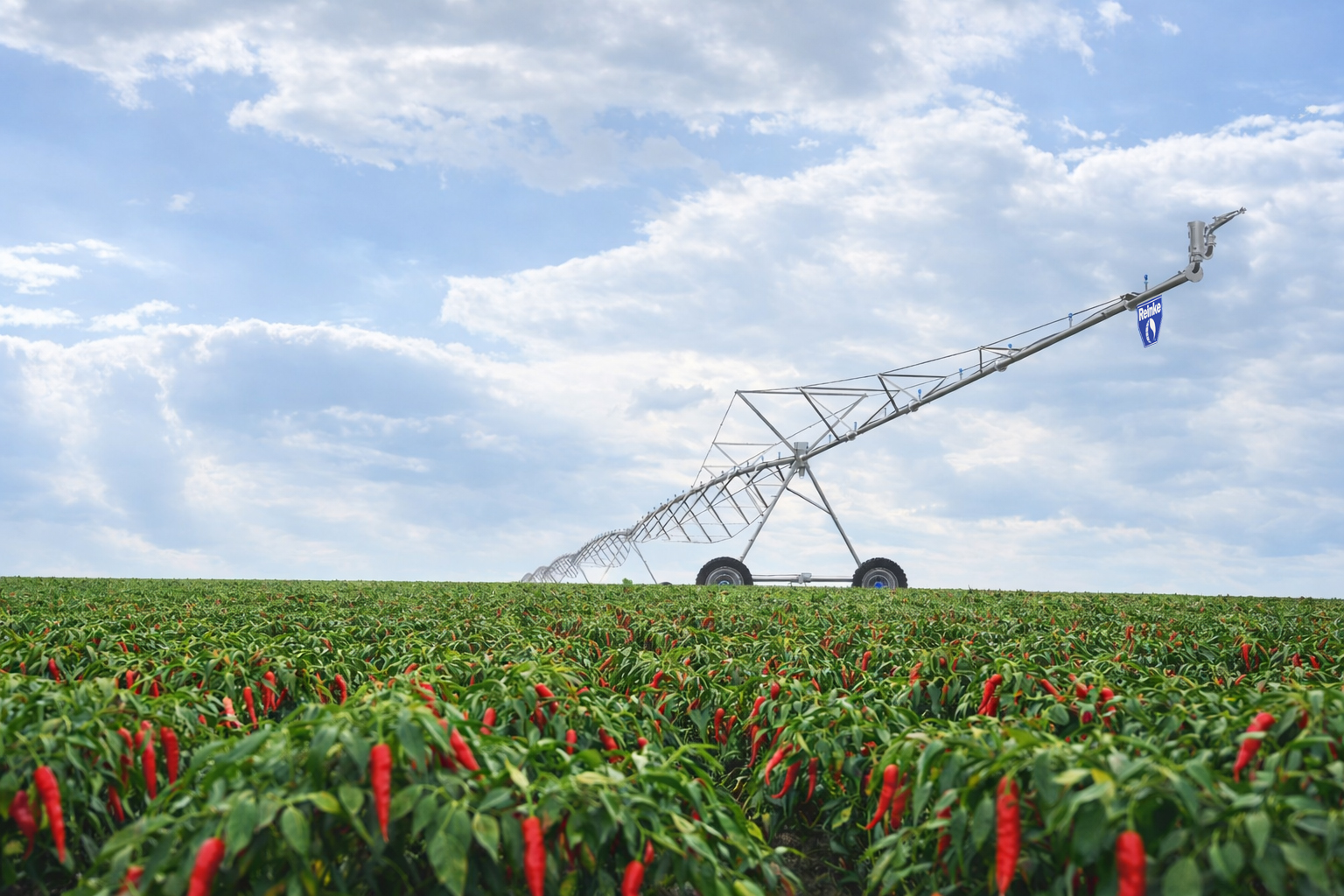
CHILI PEPPER – IS IT A VEGETABLE OR A FRUIT?
Chili peppers are considered a fruit in botanical terms since they emerge from the pistil of a flower and contain seeds. Despite their scientific classification, the culinary world treats them as a vegetable (or spice), due to their savory use in cooking.
Interesting facts
· Originated in South America, where the pepper was domesticated over 8,000 years ago
· More than fifty species of chilies
· Green peppers are sweeter than red peppers
· The number one hottest pepper is the Carolina Reaper
· Birds are immune to the heat of peppers
· One fresh medium-sized green chili pod has as much Vitamin C as six oranges
Roles of the Chili Pepper
Peppers have a lot going for them. They are low in calories and loaded with nutrition, including high concentrations of Vitamin C and antioxidants. Beyond their health benefits, peppers enhance the flavor of food and elevate the eating experience with their unique heat and complexity.
The universal consumption of chili peppers (Capsicumannuum), known for their high nutritional content (which includes a good range of vitamins, minerals, phytochemicals, and dietary fiber), may play a role in decreasing human micronutrient deficiencies. Significant portions of recommended daily nutrients could be supplied by the incorporation of nutrient-rich chili pepper into human diets which could help in combating nutrient deficiencies.(Olatunji, e.g., 2018)
Utilized around the world in culinary creations, peppers also have a rich cultural significance. Historically used in healing remedies, they appear in spiritual practices for protection and serve as symbols of strength or luck in various cultures.
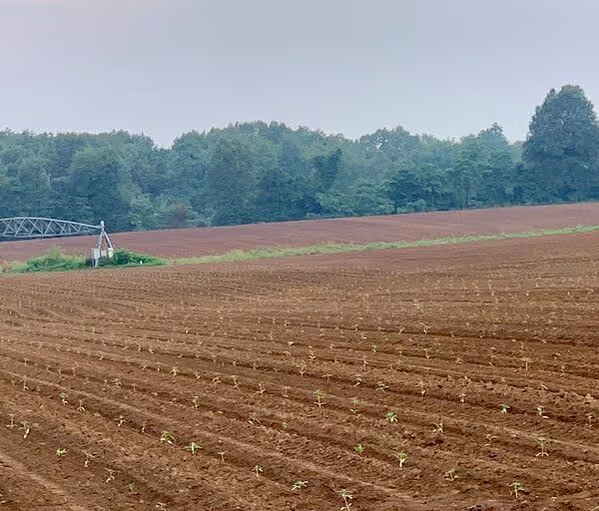
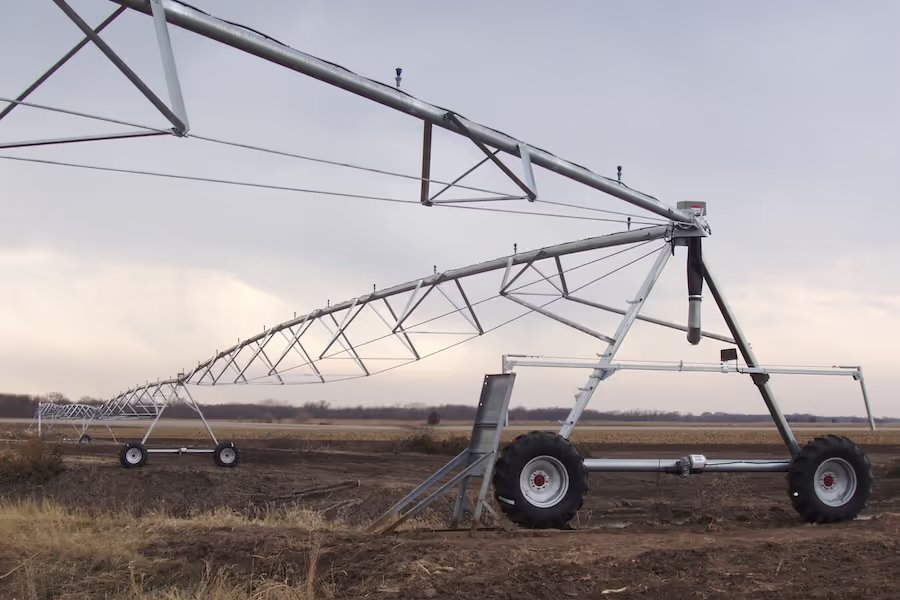
Given the pepper’s importance in cuisine, nutrition, and culture worldwide, supporting its production is essential. Center pivot irrigation systems offer an effective solution for commercial pepper cultivation.
Using Center Pivot Irrigation
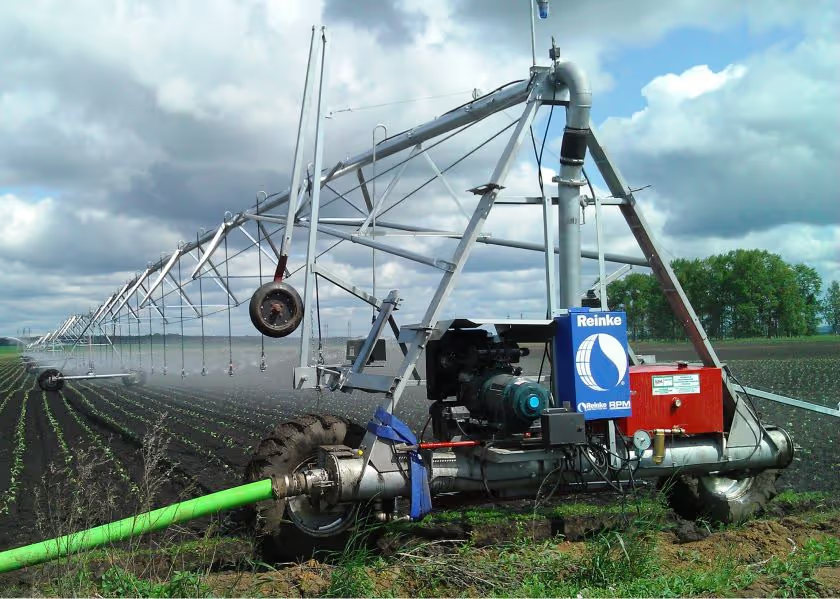
For commercial chili pepper production, center pivot irrigation systems provide uniform and efficient water distribution, which is particularly important in arid regions where peppers thrive. Consistent water application prevents plant stress, directly impacting crop yields and quality.
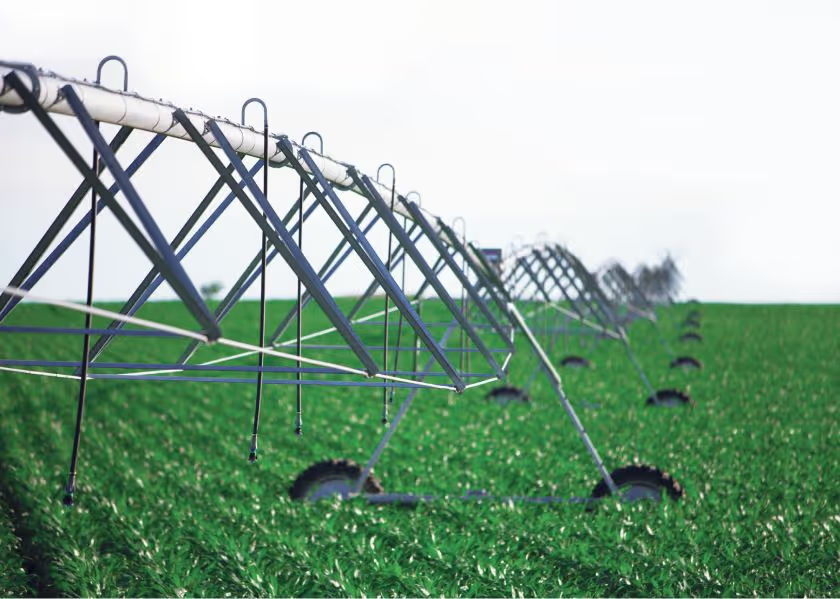
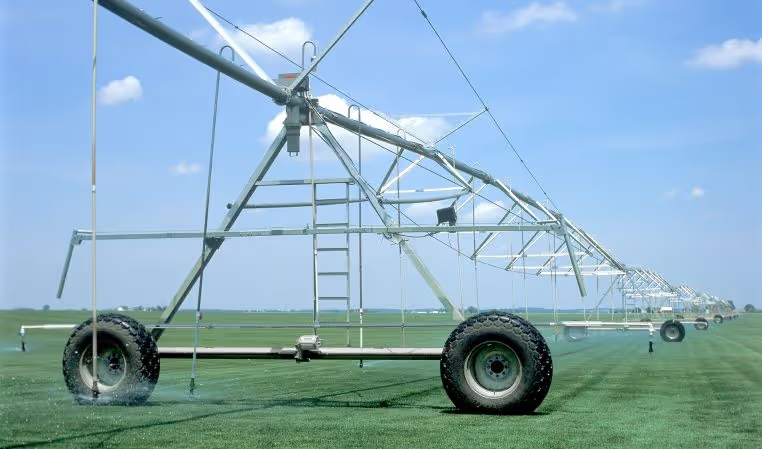
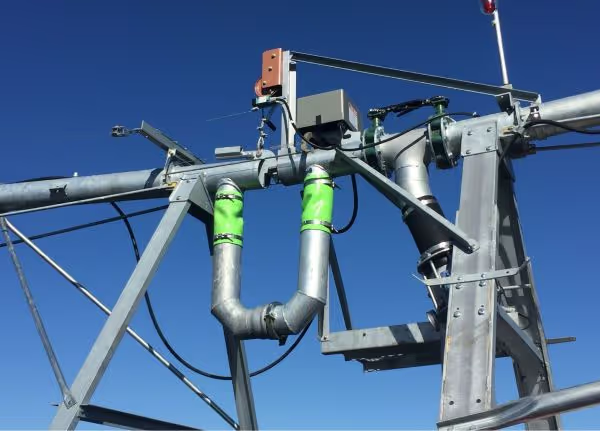
Center pivot irrigation systems offer adjustable variables to meet the specific requirements of pepper crops. Growers can position sprinklers either on top of the system for broader coverage or closer to the crop for more precise application, depending on growth stage and environmental conditions. Overt he years, the increased efficiency of center pivots is partially due to changes in the sprinklers that apply the water on the field at predetermined spacings along the overhead irrigation pipe. (Clemson University,2022).
Another key benefit is fertigation and chemigation, the capacity to administer fertilizers and pesticides directly through the irrigation system. This ensures consistent distribution across the field and can speed up the growth cycle while reducing application labor.
With a Reinke center pivot system, growers can incorporate smart irrigation tools putting them in complete control of their operations, enabling precision irrigation where and when it’s needed.
Grower In Charge
By incorporating smart irrigation tools with their center pivot system, growers gain the ability to make real-time decisions from any smart device, anywhere. This technology allows them tore fine irrigation strategies with unprecedented precision.
For pepper growers, this precision offers a unique advantage: the ability to manipulate heat levels. Water stress acts as a natural trigger causing pepper plants to produce more capsaicin, the compound responsible for heat. To maximize the flavor and pungency of chili peppers, precise and controlled water application are essential. Strategic reduction of water creates beneficial stress that intensifies the peppers’ signature heat.
Effective irrigation scheduling requires understanding water-holding capacity in the rootzone, which varies based on soil texture. This knowledge helps growers eliminate over- or under-watering, ensuring optimal growing conditions throughout the season.
Automated processes through center pivot irrigation and smart tools reduce labor requirements, freeing up valuable time for farmers to focus on other crucial aspects of their operations (Agritech, 2024). Through the utilization of data and cutting-edge technologies, growers have the ability to enhance growing conditions, increase yields, and produce a consistent high-quality crop.
Conclusion
Chili peppers are in good company in the vegetable-or-fruit debate. Tomatoes, cucumbers, and olives share this botanical classification as fruits while serving culinary roles as vegetables. The simple rule is if you’re consuming something with seeds inside, it’s technically a fruit.
Whether classified as a vegetable or fruit, one thing is certain: proper irrigation is essential for producing quality peppers that add flavor, nutrition, and cultural significance to cuisines worldwide.
References
Tarigan,I.A. (2024). Harnessing the Big Red Chili: Using Smart Agriculture to Cultivate Peak Performance in Peppers. Agritech. https://agritech.fnb.tech/the-big-red-chili/
Clemson University (2022). Center Pivot Irrigation System Efficiency. https://blogs.clemson.edu/savannahvalley/center-pivot-irrigation-system-efficiency/
Olatunji,T., Afolayan, A. (2018). The suitability of chili pepper (Capsicum annum L.)for alleviating human micronutrient dietary deficiencies. https://onlinelibrary.wiley.com/doi/10.1002/fsn3.790